
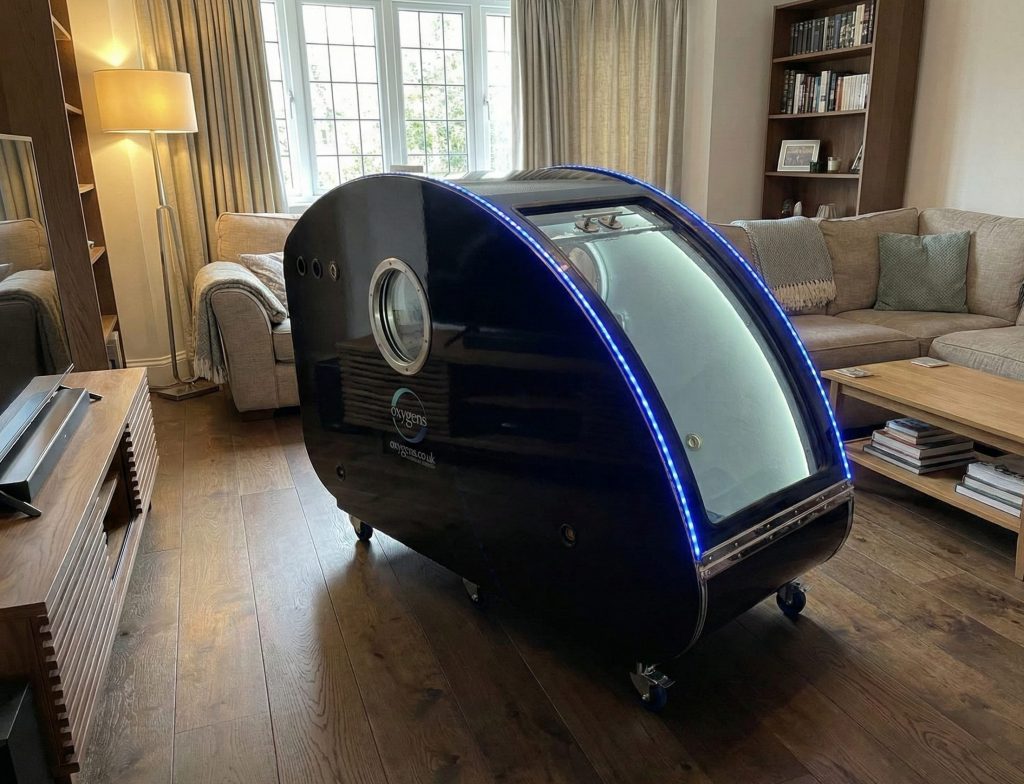
HBOT for sports recovery is becoming an increasingly discussed topic among athletes, trainers, and performance-focused individuals. As recovery continues to be recognised as a critical part of performance, methods that support rest and physical balance are gaining attention.
Hyperbaric oxygen involves spending time in a pressurised hyperbaric chamber, where oxygen is more readily available to the body. These sessions are designed to be calm and controlled, allowing individuals to rest while experiencing increased oxygen exposure.
Rather than being positioned as a treatment, HBOT for sports recovery is explored as a supportive tool that fits into a wider recovery strategy, alongside rest, nutrition, and training management.
Why Recovery Matters in Sport
Training places continuous demand on the body. Muscles, joints, and connective tissues are regularly stressed during physical activity, making recovery essential for maintaining performance over time. Without adequate recovery, fatigue can accumulate, increasing the risk of reduced performance and inconsistency.
This is where HBOT for sports recovery enters the conversation. It provides a structured environment that encourages stillness while supporting the body during rest periods.
Recovery today is no longer passive. It is intentional, measured, and integrated into training programmes. Athletes now prioritise sleep, nutrition, and recovery techniques just as much as training intensity.
Understanding Hyperbaric Oxygen
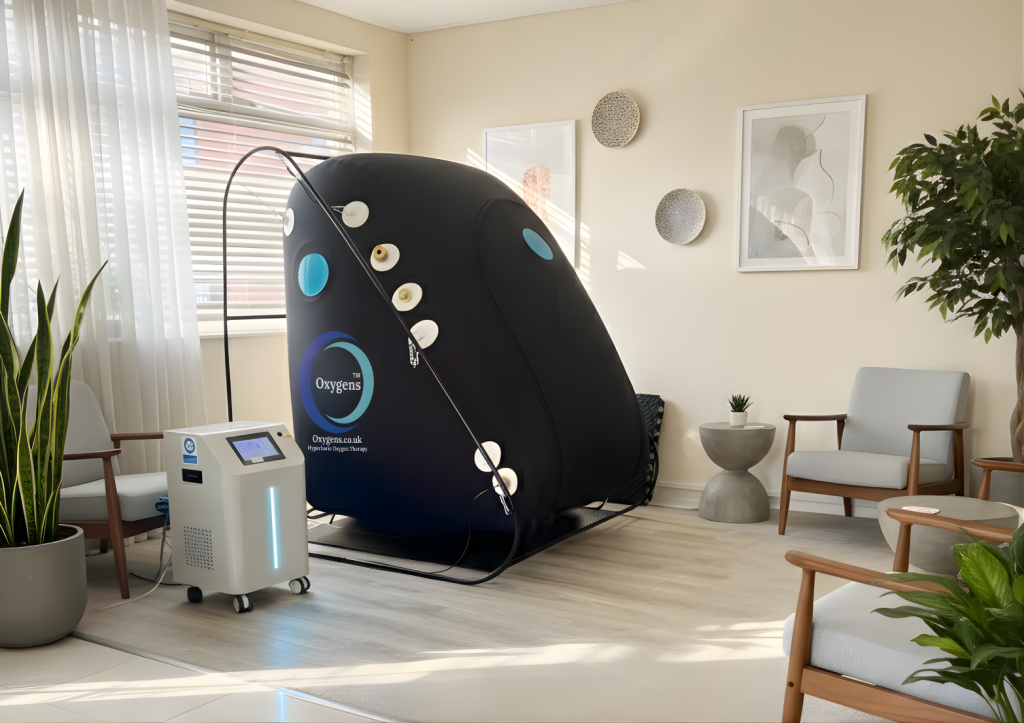
To better understand HBOT for sports recovery, it helps to look at how hyperbaric oxygen works. Inside a chamber, air pressure is gradually increased, allowing oxygen to dissolve more efficiently into the bloodstream.
This increased availability means oxygen may circulate more effectively throughout the body during sessions. Research from the National Institutes of Health explains how pressurised oxygen affects oxygen transport:
https://www.ncbi.nlm.nih.gov/books/NBK482231/
The principle is simple. When the body is at rest in a controlled environment, it may utilise oxygen differently compared to normal conditions.
Oxygen and Physical Performance
Oxygen plays a central role in how the body produces energy. During exercise, it supports muscle activity, while after exercise, it contributes to the body returning to balance.
This connection has led to increased interest in HBOT for sports recovery. By combining rest with increased oxygen availability, individuals are exploring how these sessions fit into recovery routines.
It is important to note that oxygen exposure alone does not replace proper recovery habits. Instead, it complements them.
Why Athletes Are Exploring HBOT

Athletes are constantly searching for ways to optimise recovery. From ice baths to compression therapy, recovery tools continue to evolve. HBOT for sports recovery is part of this broader shift.
One of the main reasons for its popularity is the structured environment it provides. Unlike passive rest, these sessions create a dedicated space for recovery, free from distractions.
HBOT for sports recovery is often combined with other methods such as physiotherapy, stretching, and mobility work. This integrated approach reflects how modern training is managed.
What a Session Looks Like
For those new to HBOT for sports recovery, the experience is straightforward. Sessions typically last between 60 and 90 minutes.
The individual enters a chamber where pressure is gradually increased. Once inside, the environment remains calm and controlled.
Many people use this time to relax, listen to music, or simply rest. The focus is on stillness and comfort.
At the end of the session, pressure is slowly returned to normal levels. This gradual transition is designed to ensure a smooth and comfortable experience.
Research and Ongoing Interest
Scientific research into HBOT for sports recovery is still developing. Some studies have explored how pressurised oxygen environments may influence physical processes.
A study in Frontiers in Physiology examined how oxygen exposure under pressure relates to performance:
https://www.frontiersin.org/articles/10.3389/fphys.2017.00789/full
Another review discusses how hyperbaric oxygen has been studied across various performance contexts:
https://www.ncbi.nlm.nih.gov/pmc/articles/PMC7746357/
While findings vary, these studies contribute to the growing interest in HBOT for sports recovery.
Use Beyond Professional Athletes
Although often associated with elite sport, HBOT for sports recovery is not limited to professionals. Recreational athletes and fitness enthusiasts are also exploring these sessions.
From runners to gym-goers, individuals who train regularly are becoming more aware of structured recovery methods.
This reflects a wider trend where recovery is no longer reserved for high-level athletes. It is becoming part of everyday fitness routines.
Combining Recovery Strategies
Recovery is most effective when multiple approaches are combined. HBOT for sports recovery is rarely used in isolation.
It is typically integrated with:
- Rest and recovery days
- Mobility and flexibility work
- Balanced nutrition
- Hydration strategies
- Sleep optimisation
This combination creates a more complete recovery routine. Hyperbaric oxygen sessions are one element within this broader system.
Safety Considerations
Safety is an important factor when considering HBOT for sports recovery. Modern chambers are designed with user comfort and safety in mind.
Pressure changes are gradual, and sessions are controlled to minimise discomfort. This helps create a stable and predictable environment.
As with any recovery method, proper use is essential. Following guidelines ensures that sessions remain safe and effective as part of a routine.
Individuals with specific medical conditions should seek advice before starting.
Setting Realistic Expectations
When exploring HBOT for sports recovery, it is important to maintain realistic expectations. These sessions are not designed to produce immediate or dramatic changes.
Instead, they are part of a consistent approach to recovery. The focus is on supporting the body over time rather than delivering instant results.
This perspective helps individuals incorporate HBOT for sports recovery into their routines in a balanced and sustainable way.
The Experience of Structured Recovery
One of the key aspects of HBOT for sports recovery is the experience itself. The quiet, controlled environment encourages complete rest.
In a fast-paced routine, this dedicated time for recovery can be valuable. It allows individuals to pause, reset, and focus entirely on recovery.
This structured approach is one of the reasons hyperbaric oxygen sessions are gaining popularity.
Who Might Consider It
HBOT for sports recovery is being explored by a wide range of individuals, including:
- Endurance athletes managing high training volumes
- Strength athletes focusing on muscle recovery
- Recreational fitness enthusiasts
- Individuals returning to activity after time off
This diversity reflects how recovery needs differ across sports and activity levels.
Integrating It Into a Routine
Consistency is often highlighted when using HBOT for sports recovery. Rather than occasional sessions, individuals may include it as part of a regular schedule.
This could mean weekly sessions or more frequent use depending on training intensity.
Integration is key. HBOT for sports recovery works best when combined with other recovery practices rather than used on its own.
FAQ
HBOT for sports recovery refers to the use of hyperbaric oxygen sessions as part of a structured recovery routine.
It is not designed to directly enhance performance but may support recovery processes.
Frequency depends on individual routines and training intensity.
When used correctly and within guidelines, it is generally considered safe.
Athletes, fitness enthusiasts, and individuals focused on recovery may explore this approach.