
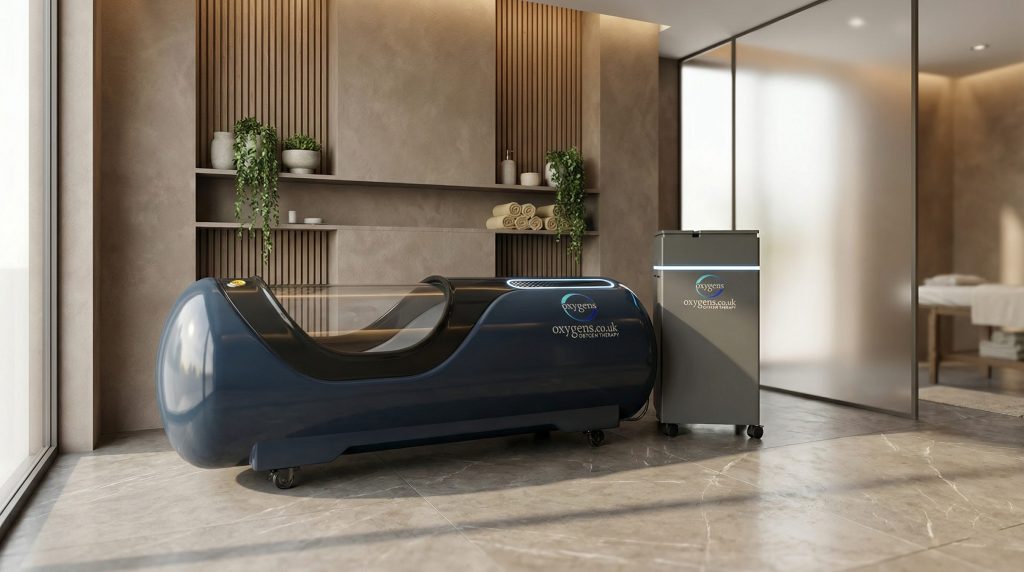
Is HBOT safe? This is one of the most frequently asked questions by individuals exploring hyperbaric oxygen as part of a wellness or recovery routine. As interest continues to grow, understanding how these sessions work and what safety measures are involved is essential before getting started.
Hyperbaric environments involve sitting inside a hyperbaric chamber, where air pressure is gradually increased. This allows oxygen to become more available in the body during periods of rest. While the concept may sound technical, modern systems are designed with safety, comfort, and control in mind.
So, is HBOT safe for everyday wellness use? The answer depends on how it is used, the environment it is delivered in, and whether proper guidelines are followed.
Understanding How HBOT Works
Before answering the question, it is important to understand the basics. Hyperbaric oxygen sessions involve breathing normally in a controlled, pressurised environment. As pressure increases, oxygen dissolves more efficiently into the body.
This process is gradual and carefully monitored. Users typically remain seated or lying down, and sessions are designed to feel calm rather than intense. The goal is not to force any immediate effect but to create an environment where the body can rest with increased oxygen availability.
Research from the National Institutes of Health explains how pressurised oxygen affects the body’s systems:
https://www.ncbi.nlm.nih.gov/books/NBK482231/
This scientific foundation helps clarify why the question of HBOT’s safety is often answered positively when proper procedures are followed.
Is HBOT Safe in Controlled Environments?

When used correctly, HBOT is generally considered safe in controlled environments. Modern chambers are built with multiple safety features, including pressure regulation systems, emergency release valves, and clear operational guidelines.
This is why many providers emphasise training and proper usage. Whether in a clinic or at home, following instructions is key to ensuring a safe experience.
So, is HBOT safe when used as intended? In most cases, yes. The systems are designed to operate within safe pressure ranges, and sessions are structured to prioritise user comfort.
It is also worth noting that many individuals use hyperbaric oxygen regularly as part of their wellness routine without issue. This includes athletes, professionals, and those focused on recovery and relaxation.
Common Concerns Around HBOT Safety
Despite its growing popularity, it is natural to have concerns. When people ask about HBOT’s safety, they are often thinking about potential risks.
One of the most common concerns is pressure itself. However, modern chambers increase pressure gradually, allowing the body to adjust comfortably. This controlled approach reduces the likelihood of discomfort.
Another concern is oxygen exposure. While oxygen is essential for life, extremely high concentrations in uncontrolled settings can be problematic. That said, regulated hyperbaric systems are designed to maintain safe oxygen levels.
Understanding these safeguards is key to answering the question of HBOT’s safety with confidence.
What the Research Says
Scientific research has explored the effects of hyperbaric environments for decades. While much of this research focuses on clinical applications, it also provides insight into safety.
A study published in the Journal of Applied Physiology discusses how pressurised oxygen environments influence the body:
https://journals.physiology.org/doi/full/10.1152/japplphysiol.00324.2016
These findings help explain why controlled exposure is generally well tolerated.
Another study in Frontiers in Physiology examines how oxygen availability affects physical adaptation:
https://www.frontiersin.org/articles/10.3389/fphys.2017.00722/full
While research continues to evolve, it supports the idea that structured, controlled sessions are key when considering HBOT’s safety.
Who Uses HBOT and Why

The growing use of hyperbaric oxygen is another factor to consider when asking HBOT’s safety. These sessions are no longer limited to specialised environments.
Athletes often incorporate pressurised oxygen sessions into their recovery routines. After intense activity, the body naturally works to restore balance, and oxygen availability plays a role in that process.
Professionals with demanding schedules are also turning to these environments. The sessions provide a dedicated space for rest, helping to reduce stress and improve overall wellbeing.
The fact that such a wide range of individuals use these systems contributes to the perception that HBOT is a manageable and structured wellness tool.
The Importance of Proper Usage
A key part of answering HBOT’s safety lies in how the equipment is used. Like any wellness tool, results and safety depend on following the correct procedures.
This includes:
- Using the chamber as instructed
- Avoiding unauthorised modifications
- Ensuring proper setup and maintenance
Even though modern systems are designed for ease of use, respecting these guidelines is essential.
When used correctly, hyperbaric oxygen sessions are designed to be predictable and controlled. This consistency is one of the main reasons they are considered safe in appropriate settings.
What a Safe Session Looks Like
While HBOT is generally considered safe, there are situations where additional caution may be required. This is why the question is HBOT safe does not have a one-size-fits-all answer.
Individuals with certain medical conditions or sensitivities may need to consult a professional before using pressurised oxygen environments. This ensures that sessions are appropriate for their specific circumstances.
It is also important to follow manufacturer guidelines carefully. Using the equipment outside of recommended parameters can increase risk.
By understanding these considerations, users can approach HBOT with realistic expectations.
HBOT in a Wellness Context
In a non-medical setting, HBOT is used for relaxation and general wellbeing rather than treatment. This distinction is important when discussing is HBOT safe.
The sessions are designed to be passive, allowing the body to rest without external demands. Increased oxygen availability may support natural processes, but it does not directly cause recovery or healing.
This perspective helps keep expectations grounded while still recognising the potential benefits of structured relaxation.
Long-Term Use and Safety
Another common question related to HBOT’s safety is whether it can be used regularly over time. Many individuals incorporate these sessions into weekly routines without issue.
Consistency is often part of the appeal. Rather than using sessions occasionally, users build them into their lifestyle as a way to prioritise rest.
As long as the equipment is used correctly and guidelines are followed, long-term use is generally considered manageable.
FAQ
When used correctly and within recommended guidelines, HBOT is generally considered safe for regular wellness use.
Home systems are designed with safety features, but proper setup and adherence to instructions are essential.
While many people use it without issue, some individuals may need to seek advice before starting.
HBOT is considered structured and controlled, which contributes to its safety when used appropriately.
Some systems are designed for independent use, but following guidelines is critical to maintaining safety.