
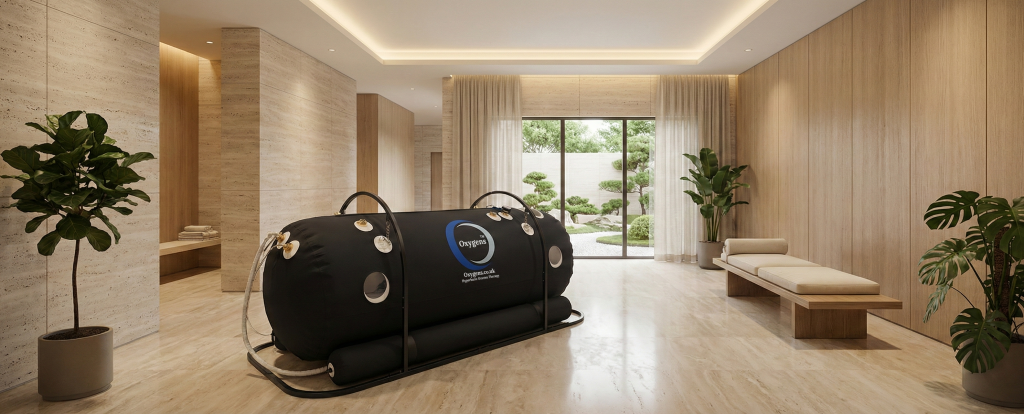
Interest in oxygen chamber therapy has increased significantly as recovery and wellbeing have become central priorities for both athletes and everyday individuals. In a wellness setting, this experience involves spending time inside a pressurised enclosure where oxygen levels are higher than normal atmospheric conditions. These controlled environments are designed to provide a calm, distraction-free space that supports rest, relaxation, and structured recovery routines.
Many people today recognise that recovery is not simply about stopping activity but about creating the right conditions for the body and mind to reset. A pressurised oxygen environment provides a dedicated space for uninterrupted rest. Users often incorporate sessions into their weekly schedules as part of broader wellness practices focused on balance, relaxation, and personal wellbeing.
If you are exploring systems designed for wellness use, you can learn more about modern hyperbaric chamber options that provide a comfortable and controlled environment for relaxation and recovery routines.
Understanding Pressurized Oxygen Chamber Therapy in a Wellness Context
To understand oxygen chamber therapy, it helps to look at how these environments are used in real-world wellness settings. A bariatric chamber creates a sealed space where internal pressure is gently increased to a safe and controlled level. Users enter the chamber, settle into a comfortable position, and remain inside while the chamber reaches its operating pressure.
Unlike everyday environments filled with distractions, this space encourages stillness. This is one reason oxygen therapy environments have become popular in wellness centres and performance facilities. The structured nature of each session allows individuals to dedicate time specifically to rest, which is widely recognised as a key part of recovery.
Scientific literature discussing pressurised oxygen environments and recovery settings can be found in peer-reviewed journals such as the Journal of Applied Physiology and through indexed research databases such as PubMed.
These publications provide general scientific context around oxygen exposure and recovery environments.
Why Athletes Include Oxygen Chamber Therapy in Recovery Routines
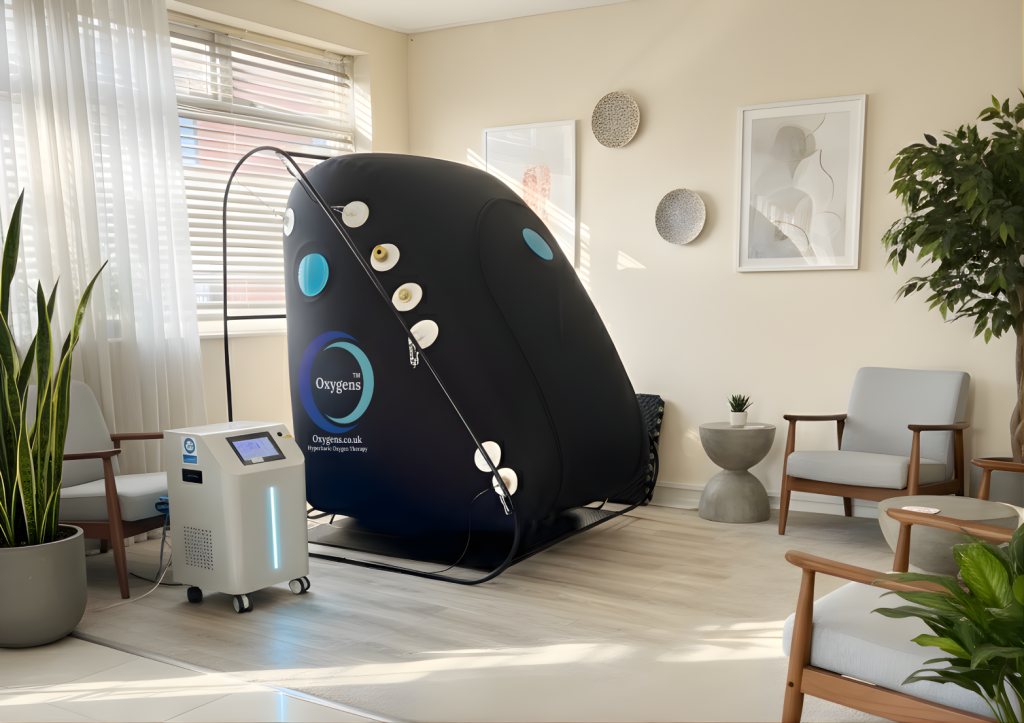
Professional and amateur athletes frequently include oxygen chamber therapy as part of structured recovery routines. Training places repeated physical demands on the body, and recovery periods play an essential role in maintaining consistency and long-term performance readiness.
Many athletic training centres and wellness facilities include HBOT environments within their recovery spaces. Athletes often use these chambers following training sessions or competitions, allowing them to remain still and relaxed during designated recovery periods. The chamber provides an environment where rest can occur without interruption.
Rather than acting as a standalone solution, this type of oxygen therapy is used alongside other recovery-focused habits such as sleep, hydration, and proper scheduling of rest days. Its role is to support recovery routines by creating a calm and controlled space dedicated to relaxation.
What Happens During a Session
A typical oxygen chamber therapy session begins when the user enters the chamber and positions themselves comfortably. Once inside, the chamber gradually increases to its operating pressure, usually between 0.3 and 0.45 bar gauge. This process is slow and controlled to ensure comfort.
During the session, users can relax, listen to music, meditate, or simply rest. Many people find the enclosed environment helps reduce external distractions, making it easier to focus on relaxation. Sessions usually last between 45 and 90 minutes, depending on individual preferences.
At the end of the session, pressure is slowly reduced back to normal atmospheric levels. The user can then exit the chamber and continue with their day.
Supporting Natural Recovery Through Structured Rest
Recovery depends heavily on rest, consistency, and supportive environments. Oxygen chamber therapy contributes to recovery routines by providing a space specifically designed for uninterrupted relaxation. This environment allows individuals to step away from physical and mental demands.
Many wellness professionals emphasise the importance of creating structured recovery periods. Spending time inside a hyperbaric oxygen can help individuals maintain consistency in their recovery schedules by providing a reliable and predictable relaxation environment.
This structured approach to recovery aligns with broader wellness practices focused on balance and sustainability.
Integration Into Modern Wellness Lifestyles
As wellness awareness continues to grow, oxygen chamber therapy has become increasingly accessible in both professional and personal environments. Some people use chambers in wellness facilities, while others incorporate them into home wellness setups.
The flexibility of these systems makes them suitable for individuals with different schedules and lifestyles. Whether used occasionally or regularly, sessions provide an opportunity to prioritise rest in a structured way.
This accessibility has contributed to the growing presence of HBOT environments in modern wellness culture.
Types of Chambers Used in Wellness Settings
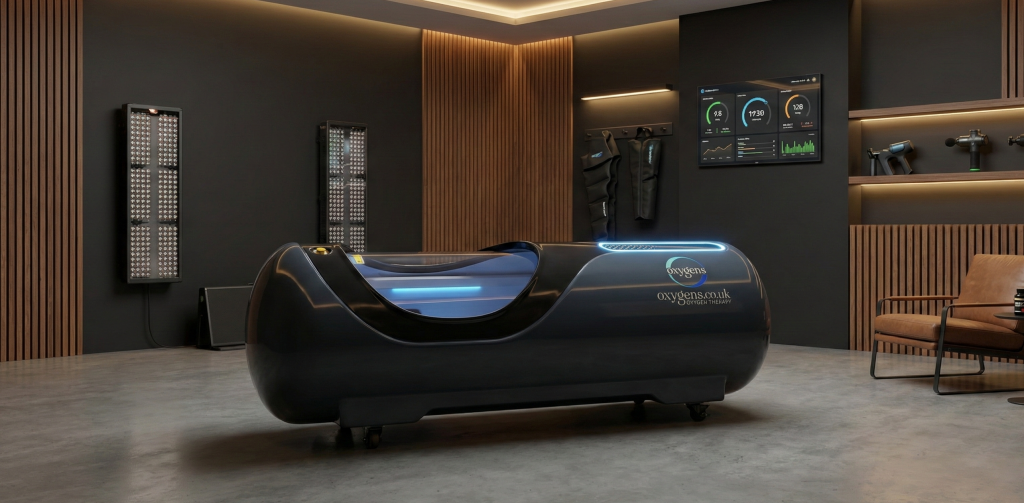
There are several types of chambers used for oxygen chamber therapy, including softshell and hardshell models. Softshell chambers are lightweight and flexible, making them suitable for home environments. Hardshell chambers offer a more rigid structure and are often found in dedicated wellness centres.
Both designs create a controlled pressurised oxygen environment focused on relaxation and comfort. The choice between chamber types depends on individual preferences, available space, and intended usage.
Regardless of the design, the purpose remains the same: to provide a calm environment that supports recovery routines.
Safety and Consumer Design
Safety is an important consideration in oxygen therapy environments. Modern chambers include pressure regulation systems, safety valves, and durable construction materials designed for reliability.
These chambers operate below 0.5 bar gauge, which means they are not classified as pressure equipment. This ensures they remain suitable for consumer wellness use when operated according to manufacturer guidelines.
These safety features allow individuals to incorporate HBOT environments into their wellness routines with confidence.
Managing Expectations and Long-Term Wellness
It is important to approach oxygen chamber therapy as part of a broader wellness lifestyle rather than expecting immediate or specific outcomes. Recovery is influenced by many factors, including rest, sleep, nutrition, and consistency.
Many individuals value sessions simply as dedicated time for relaxation. This intentional focus on rest can help support recovery routines over time.
By integrating oxygen therapy into balanced wellness practices, individuals can support long-term wellbeing in a sustainable way.
Frequently Asked Questions
It is used in wellness settings to support relaxation and structured recovery routines in a pressurised environment.
Yes. Many athletes include HBOT environments as part of their recovery schedules to support rest and relaxation.
Modern chambers include safety systems and operate within consumer safety standards when used correctly.
Frequency varies depending on personal wellness routines and recovery schedules.
Yes. Many hyperbaric oxygen systems are designed specifically for home wellness use.
Oxygen chamber therapy systems are designed with safety features and operate within approved consumer safety standards.