
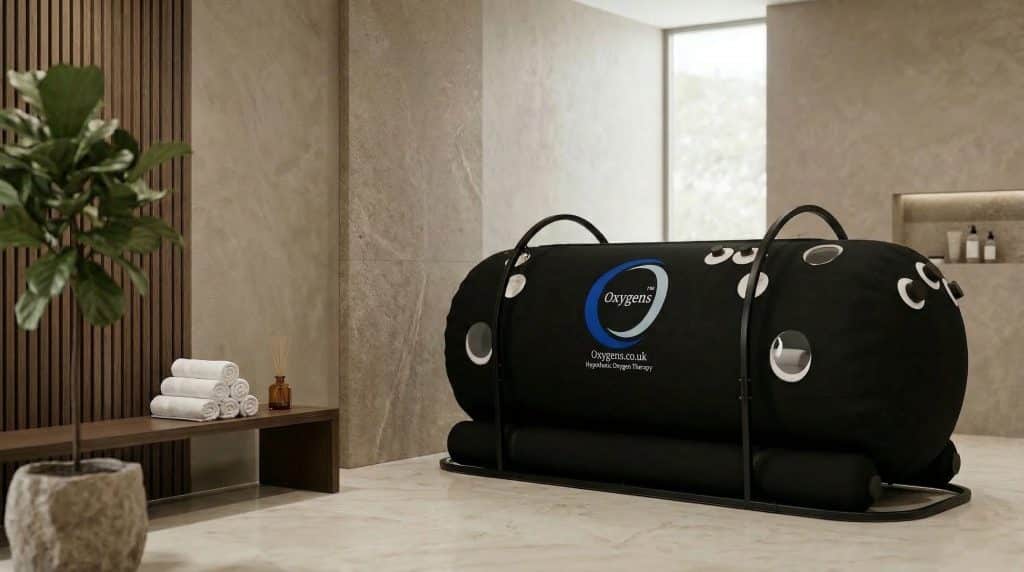
Oxygen therapy has become an increasingly popular approach within modern wellness routines, particularly among individuals focused on recovery, relaxation, and long-term wellbeing. Whether used by athletes, professionals, or those simply looking to create space for rest, higher pressure O2 therapy offers a structured environment where the body can access oxygen more efficiently during periods of relaxation.
Many people explore oxygen therapy through a hyperbaric chamber , where the surrounding air pressure is gently increased. This allows oxygen to dissolve more effectively in the body while the user rests in a calm and controlled setting. Rather than forcing change, oxygen therapy is used to support the body’s natural processes, making it a complementary addition to broader wellness routines.
Understanding Oxygen in a Wellness Setting
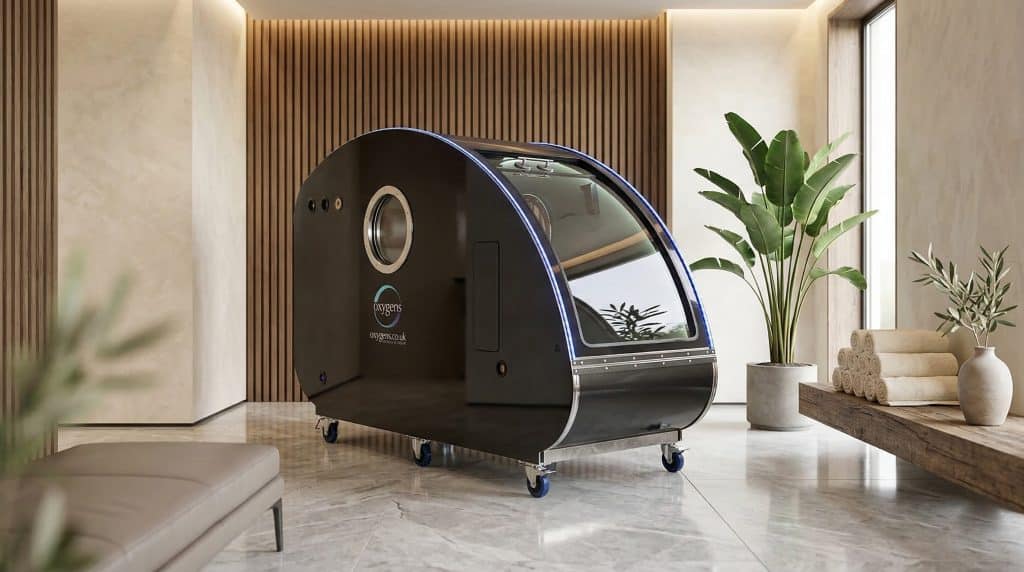
Oxygen is fundamental to how the body functions. Every system relies on it to produce energy and maintain balance. While we naturally absorb oxygen through breathing, environments with pressurised oxygen can influence how efficiently it is distributed.
This is the principle behind hyperbaric therapy. By increasing air pressure in a controlled way, more oxygen can dissolve into the body during periods of rest. This does not force any biological change, but it may support the body’s natural processes by improving oxygen availability.
In wellness-focused settings, sessions using hyperbaric oxygen are designed to be calming and restorative. Users often treat them as dedicated time to disconnect and recharge.
How Higher-Pressure Oxygen Sessions Work
A session usually takes place in a sealed chamber where air pressure is gradually increased. This allows higher-pressure oxygen to be absorbed more efficiently while the individual remains comfortable.
During the session, users can sit or lie down, breathing normally. The process is gentle, and the environment is designed for ease and relaxation. This is why oxygen therapy is often associated with calmness rather than intensity.
According to research from the National Institutes of Health, pressurised environments can influence how oxygen is transported throughout the body:
https://www.ncbi.nlm.nih.gov/books/NBK482231/
This scientific understanding forms the basis of how these sessions are used in wellness contexts.
Oxygen Therapy and Recovery Support
Recovery is a key focus for anyone maintaining an active or demanding lifestyle. While rest, hydration, and nutrition remain essential, many individuals explore additional ways to support this process.
Oxygen therapy is often included as part of these routines. Athletes, in particular, use HBOT sessions as a way to complement their recovery habits. After intense activity, the body naturally works to restore balance, and oxygen availability plays an important role in that process.
It is important to keep expectations realistic. Oxygen therapy does not directly cause recovery, but it may help support the environment in which recovery happens. This is why it is commonly described in passive terms.
A study in Frontiers in Physiology discusses how oxygen availability is linked to physical adaptation.
This has contributed to growing interest in hyperbaric oxygen environments among performance-focused individuals.
What the Experience Feels Like
One of the reasons oxygen therapy is gaining popularity is the experience itself. Sessions are typically quiet, comfortable, and uninterrupted. The chamber creates a space where users can step away from daily pressures.
Many people describe a sense of calm during and after sessions. Some report feeling more mentally clear or less fatigued, particularly when sessions are used consistently over time.
Because the environment is controlled, it allows the body to relax without external stimulation. This alone can be valuable in supporting overall wellbeing.
Oxygen Therapy in Modern Wellness Routines
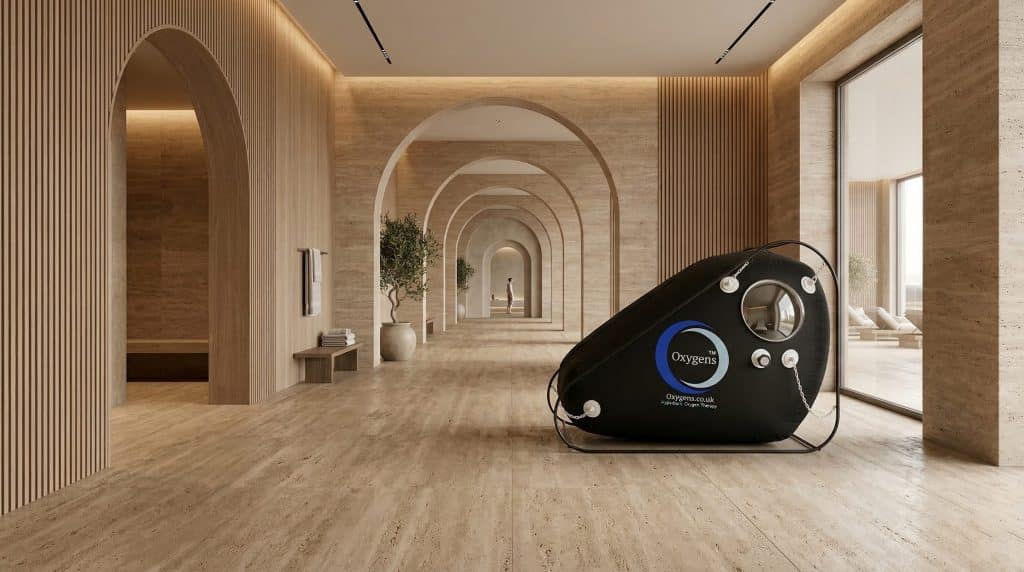
Wellness trends have shifted towards long-term sustainability rather than short-term results. Oxygen therapy fits naturally into this approach by offering a consistent and structured way to prioritise rest.
It is often used alongside practices such as exercise, mindfulness, and sleep optimisation. Some individuals also combine hyperbaric oxygen sessions with other wellness tools, creating a routine that focuses on balance rather than intensity.
The appeal lies in its simplicity. There are no complicated steps or strict requirements. Instead, it provides a dedicated environment where the body can slow down and reset.
Scientific Interest in Oxygen and the Body
There is growing scientific interest in how oxygen affects the body at a deeper level. Studies continue to explore how increased oxygen availability influences circulation, cellular activity, and overall function.
A paper published in the Journal of Applied Physiology highlights how pressurised conditions improve oxygen delivery efficiency.
While research is ongoing, it helps explain why oxygen therapy is being explored more widely in both wellness and performance settings.
It is important to note that these sessions are not intended to diagnose, treat, or prevent any condition. Their role is to support general wellbeing through relaxation and consistency.
Who Is Using Oxygen-Based Wellness Today
The use of oxygen therapy has expanded beyond niche settings. Today, it is embraced by a wide range of individuals with different lifestyles and goals.
Athletes often incorporate HBOT routines into their recovery schedules, while professionals may use these sessions to manage stress and maintain focus. Creatives and entrepreneurs are also exploring higher-pressure oxygen environments as part of their personal routines.
The common thread is a focus on balance. These sessions provide a structured way to step back, rest, and reset.
Building a Consistent Routine
The use of oxygen therapy has expanded beyond niche settings. Today, it is embraced by a wide range of individuals with different lifestyles and goals.
Athletes often incorporate HBOT routines into their recovery schedules, while professionals may use these sessions to manage stress and maintain focus. Creatives and entrepreneurs are also exploring higher-pressure oxygen environments as part of their personal routines.
The common thread is a focus on balance. These sessions provide a structured way to step back, rest, and reset.
FAQ
Oxygen therapy involves spending time in a controlled environment where oxygen availability is increased to support relaxation and general wellbeing.
It may support natural recovery processes by improving oxygen availability during rest, but it does not directly cause recovery.
Many people use sessions once or twice a week as part of a broader wellness routine.
No. It is used by professionals, creatives, and anyone focused on maintaining balance and wellbeing.
No. Hyperbaric therapy in this context is designed for general wellness and is not intended to diagnose, treat, or prevent any condition.