
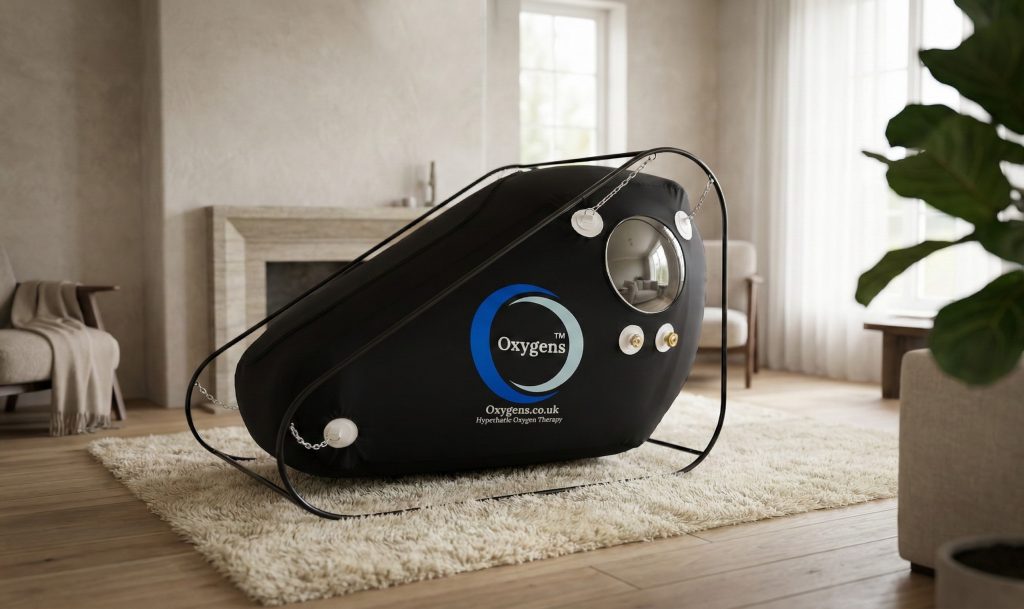
HBOT for brain injury is an area of growing interest as more people explore supportive environments that may assist recovery and overall wellbeing. Whether following a concussion, traumatic brain injury, or other neurological event, individuals are increasingly looking at how structured wellness tools can complement rest and rehabilitation.
Hyperbaric oxygen involves spending time inside a hyperbaric chamber, where oxygen becomes more available to the body during periods of rest. While this does not directly repair injury, it creates conditions that may support natural processes associated with recovery.
As awareness increases, the question is no longer just what hyperbaric oxygen is, but how HBOT fits into a broader recovery-focused routine.
Understanding Brain Injury and Recovery
Brain injuries can vary significantly in severity, from mild concussions to more complex traumatic events. Recovery is often a gradual process that involves rest, rehabilitation, and time.
The brain requires a consistent supply of oxygen to function. Following an injury, the body naturally works to restore balance, and oxygen plays a role in supporting this process. This is where interest in HBOT for brain injury has developed.
Rather than acting as a direct intervention, hyperbaric environments are explored as a way to support the body during recovery periods. The emphasis remains on complementing existing care rather than replacing it.
How Hyperbaric Oxygen Works in This Context
To understand HBOT for brain injury, it is helpful to look at how hyperbaric oxygen works. Inside a chamber, air pressure is increased in a controlled and gradual way. This allows oxygen to dissolve more efficiently into the bloodstream.
As a result, oxygen may reach areas of the body where circulation is limited. In the context of brain injury, this has led researchers to explore whether increased oxygen availability may support natural brain function during recovery.
Research from the National Institutes of Health outlines how pressurised oxygen affects tissue oxygenation:
https://www.ncbi.nlm.nih.gov/books/NBK482231/
This principle forms the basis for ongoing interest in HBOT for brain injury.
Why HBOT for Brain Injury Is Being Explored

One of the reasons HBOT is gaining attention is the complexity of neurological recovery. The brain is highly sensitive, and recovery often depends on multiple factors, including rest, environment, and overall health.
Hyperbaric oxygen sessions provide a controlled setting where individuals can rest while oxygen availability is increased. This combination of stillness and enhanced oxygen exposure has made it a point of interest in both clinical and wellness discussions.
It is important to maintain a balanced perspective. HBOT for brain injury is not positioned as a cure, but rather as a supportive approach that may complement broader recovery strategies.
What Research Suggests
Scientific research into HBOT for brain injury is ongoing. While findings vary, several studies have explored how pressurised oxygen environments may influence brain function.
A study published in Frontiers in Neurology examined how hyperbaric oxygen exposure relates to neurological processes:
https://www.frontiersin.org/articles/10.3389/fneur.2018.00061/full
Another study in Aging explored how oxygen-rich environments may affect cellular activity:
https://www.ncbi.nlm.nih.gov/pmc/articles/PMC7746357/
These studies do not claim direct recovery outcomes but suggest that oxygen availability may play a role in supporting the body’s natural processes.
This is why HBOT for brain injury continues to be explored, particularly in controlled and research-based settings.
The Role of Oxygen in Brain Function
The brain consumes a significant amount of the body’s oxygen supply. Even at rest, it requires a steady flow to maintain normal function.
Following an injury, maintaining oxygen availability becomes even more relevant. This has led to increased interest in environments that may support oxygen delivery.
HBOT for brain injury is based on this idea. By increasing oxygen availability during rest, it may help create conditions that support the brain’s natural processes.
However, it is essential to approach this concept carefully. While oxygen is vital, increased availability does not automatically translate to recovery.
What a Session Involves
For those considering HBOT for brain injury, understanding the session experience is important. Sessions typically last between 60 and 90 minutes.
The individual enters a chamber where pressure is gradually increased. This process is designed to be comfortable, with users able to sit or lie down.
During the session, the environment remains calm and controlled. Many people use the time to relax, listen to music, or simply rest.
At the end, pressure is slowly returned to normal. This gradual adjustment is a key part of ensuring a safe experience.
HBOT for Brain Injury in Wellness Settings
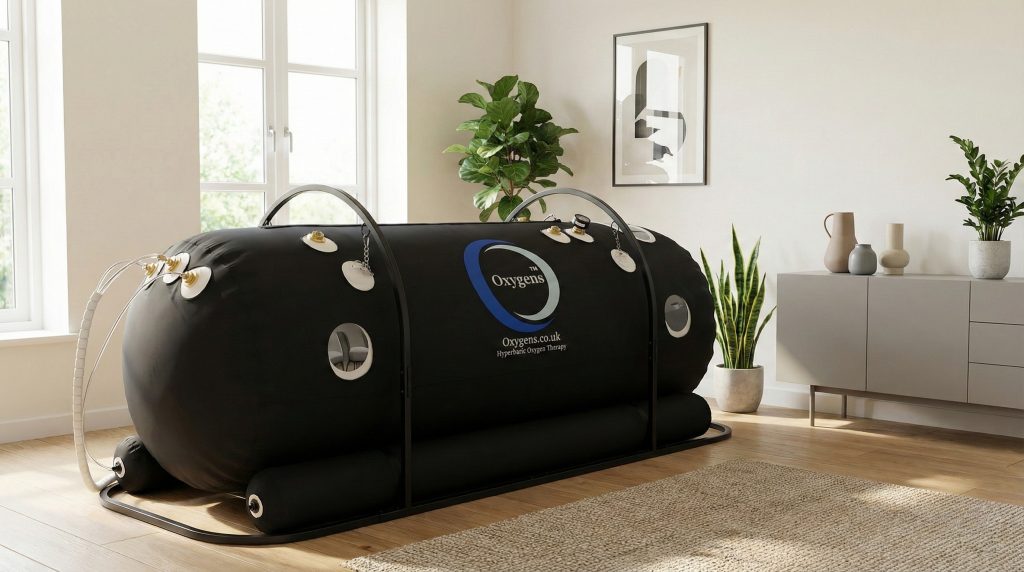
While much of the research is clinical, HBOT for brain injury is also being explored in wellness environments. In this context, the focus is on relaxation and general support rather than treatment.
These sessions are often integrated into broader routines that include rest, nutrition, and rehabilitation exercises. The aim is to create a balanced approach to recovery.
Hyperbaric oxygen chambers used in wellness settings are designed for comfort and ease of use, making them accessible for regular sessions.
Who Is Exploring This Approach
Interest in HBOT for brain injury spans a wide range of individuals. Athletes recovering from concussions are among the most common users, as they often look for structured ways to support recovery.
Professionals and individuals recovering from accidents are also exploring these environments. The appeal lies in the combination of rest and controlled oxygen exposure.
This growing interest reflects a broader trend towards proactive and supportive wellness practices.
Safety Considerations
When discussing brain injury and HBOT, safety is an important factor. Modern chambers are designed with multiple safety features, including pressure regulation and controlled oxygen delivery.
Sessions are typically gradual, allowing the body to adjust comfortably. This reduces the likelihood of discomfort associated with pressure changes.
However, as with any wellness tool, proper usage is essential. Following guidelines and ensuring the equipment is used correctly helps maintain a safe experience.
Individuals with specific medical conditions should seek advice before starting sessions. This ensures that HBOT for brain injury is approached responsibly.
Integrating HBOT Into a Recovery Routine
For those considering HBOT for brain injury, integration into a broader routine is key. These sessions are rarely used in isolation.
Instead, they are combined with other elements such as physiotherapy, rest, and lifestyle adjustments. This holistic approach reflects how recovery typically works.
Consistency is often emphasised. Rather than expecting immediate results, individuals focus on regular sessions over time.
This aligns with the idea that HBOT for brain injury is about supporting the environment in which recovery takes place.
Expectations and Realistic Outcomes
Managing expectations is essential when exploring HBOT for brain injury. While research is promising in some areas, it is still evolving.
These sessions are not designed to diagnose, treat, or prevent any condition. Their role is to support general wellbeing and relaxation.
By approaching HBOT for brain injury with realistic expectations, individuals can make informed decisions about whether it fits into their recovery routine.
FAQ
HBOT for brain injury refers to the use of hyperbaric oxygen environments as a supportive approach during recovery.
HBOT for brain injury is not intended to repair damage directly but may support natural processes during recovery.
Frequency varies, but many individuals use sessions regularly as part of a broader routine.
When used correctly and within guidelines, it is generally considered safe in controlled environments.
Athletes, individuals recovering from accidents, and those exploring supportive wellness approaches may consider it.
Educational Insight from Dr Sarah
Dr Sarah is a Clinical Psychologist with over 20 years of NHS experience and Operations Director at Oxygens. Her work explores hyperbaric oxygen therapy, psychological wellbeing, brain health research and responsible HBOT education.
Learn More About Dr Sarah